This piece for National Short Story Month was written with beginning writers in mind, but readers are welcomed. We’re all one great big happy family here. After all writers are readers too.
A lot of people don’t know that May is National Short Story Month.
Yep, you can thank Dan Wickett for that.
Don’t you just love bite-size fiction?
I did a live presentation some years back titled The Art of the Short Story. In preparing the notes for said exhibition I borrowed a large portion of material from a fellow author. She is a veracious source of information and her published works are impressive. For the presentation I also offered my own work as examples.
Word Count Matters.
Many of the contest that you may submit to are going to have a maximum amount of words allowable. Occasionally, you’re given even more of a challenge with a minimum as well as a maximum. Those were always fun for me because it stimulated more than just creativity.
Learn how to use ‘word count’ in whatever program you are using to write and check it frequently.
No Nonsense
Another benefit of writing short stories verses novels is you don’t have to fluff up the word count with what feels like senseless babbling to make sure you hit the mark.
Of course, sometime the story takes on a life of its own and it’s no longer a short story. Your creation may grow into a novella or a novel. Heck, it might even become epic! Imagine your story spawning generations of creative little sub stories …
At any rate, I think it’s best to let the story tell itself and you just breathe life into it. And always have fun with it.
But always keep word count in mind, especially when riding short stories. Be careful not to lose track by getting too attached or involved as I mentioned in an earlier post.
Writing Short Works Helps You Hone Your Writing Skills.

When every word counts, writers tighten their prose. They eliminate filler words, passive voice, weak writing, or tangential thoughts—pretty much anything that requires extra words. No um’s or uh’s or well’s. No “was walking” when “walked” suffices. No “walked slowly” when “strolled” captures the mood better. No drifting into a daydream that doesn’t advance the plot.
These things slip in when we write novels. And just think how strong your novels will be when you develop these stylistic choices and apply them to your longer works.
The Short Story Can Be Used to Introduce One of Your Longer Works.

Regardless of the theme of the anthology, you can write a companion piece to an existing novel or series. This can be an excellent marketing tool.
For example, say you have a paranormal romance series you’d like to promote, and you have an opportunity to contribute to a horror anthology. You could tailor your horror story so that it’s a prequel or sequel to the first book in your paranormal romance series. You might even choose to weave in a little romance so readers have a better understanding of what to expect in the series. As long as the story meets the requirements for the anthology, you’ll have a great introduction to your longer work placed in front of an already interested audience.
Sample the Buffet
The short story format allows you the opportunity to explore different genres without committing time to compose a longer work.

If you are new to writing and aren’t sure what genre you’re interested in, try them all. 
If you are seasoned, take the opportunity to try something completely different from what you normally write.
For example, a romance writer might choose to craft a futuristic sci-fi story.
What do you gain from that, you may ask. 
Well, not only do you get to flex your creative muscles, the change of scenery might recharge your batteries and give you a fresh perspective on the novel you’re working on.
Furthermore, you may just find another genre that you enjoy writing in and a new fan base should you decide to become a multi-genre author.
What? How? Where?
Okay, so you want to write a short story — try your hand at. You believe you have a fabulous idea, but you don’t know what to do.
If you are in school — high school, college or university, get active. Submit to as many competitions as possible.
Short stories are ideal for genre driven magazines, anthologies, digests, newsletters, co-ops, etc. 
Potential acceptance equals potential income and/or exposure.
There are literally thousands of genre magazines that accept submissions. If you have an agent great. If you don’t that’s okay, you can submit it yourself; that is if they accept direct submissions. Its easy enough to find those answers with a little research.
All Aboard!!
Short stories work well in creating a series. Think of each new release as an episode.

A series can be done on a weekly or monthly basis. This can be fun without being time consuming.
There are so many ways to get started but you’ve got to write it first – at least a draft and then (when you know the rules) make it fit. Now place a stamp on it or hit the send button and you’re on your way.
At this point, I don’t know if I’ve said too much or not enough [giggle] so I’ll do a quick little summary and get back in the garden.
How to Publish Short Stories
- Pick a genre. Decide where you will submit, read the rules and regulations and write within those guidelines. ✅
- Submit your piece once it is complete and polished.
- Enter as many Short Story Contests as you can. Keep in mind you cannot send the same story to multiple publishers. In most cases you must wait for a letter of acceptance or rejection before you can send that same piece to another publisher.
- Rub elbows with other authors, figuratively, of course. Collaborate on anthologies when possible.
- Create and publish your own collection of short stories.
- Do not pay to enter a short story contest.
- Before you submit a piece, know whether you are being paid by the word or by the story/submission. 
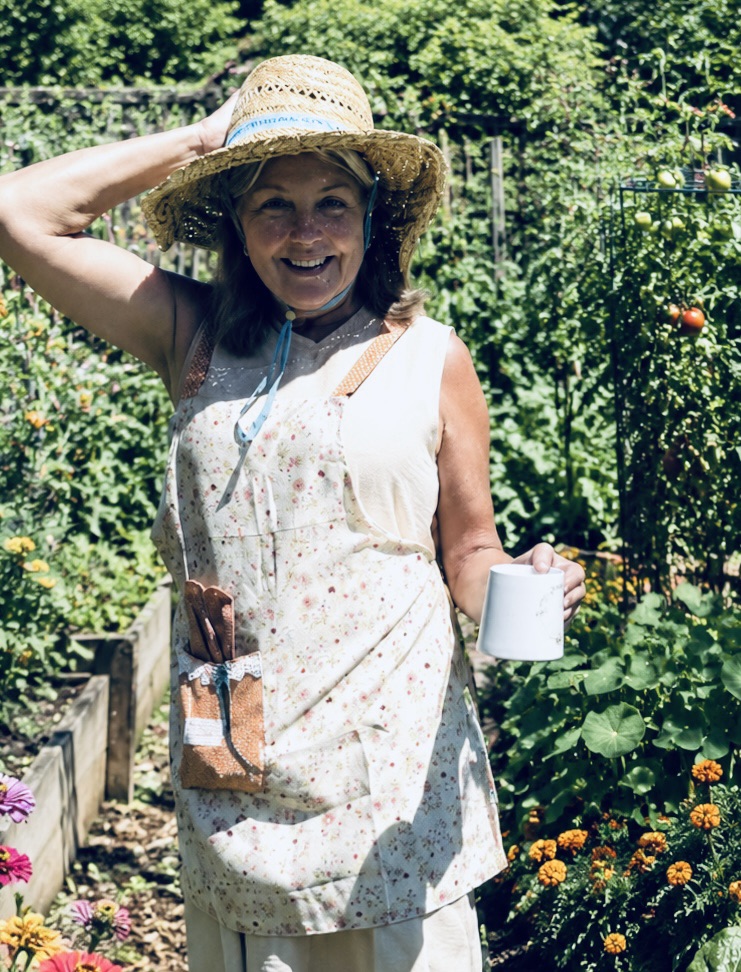
Here’s wishing you all success!
Right on? Write on!
Posthumous Accolades (A Toast to Dan) 🥂
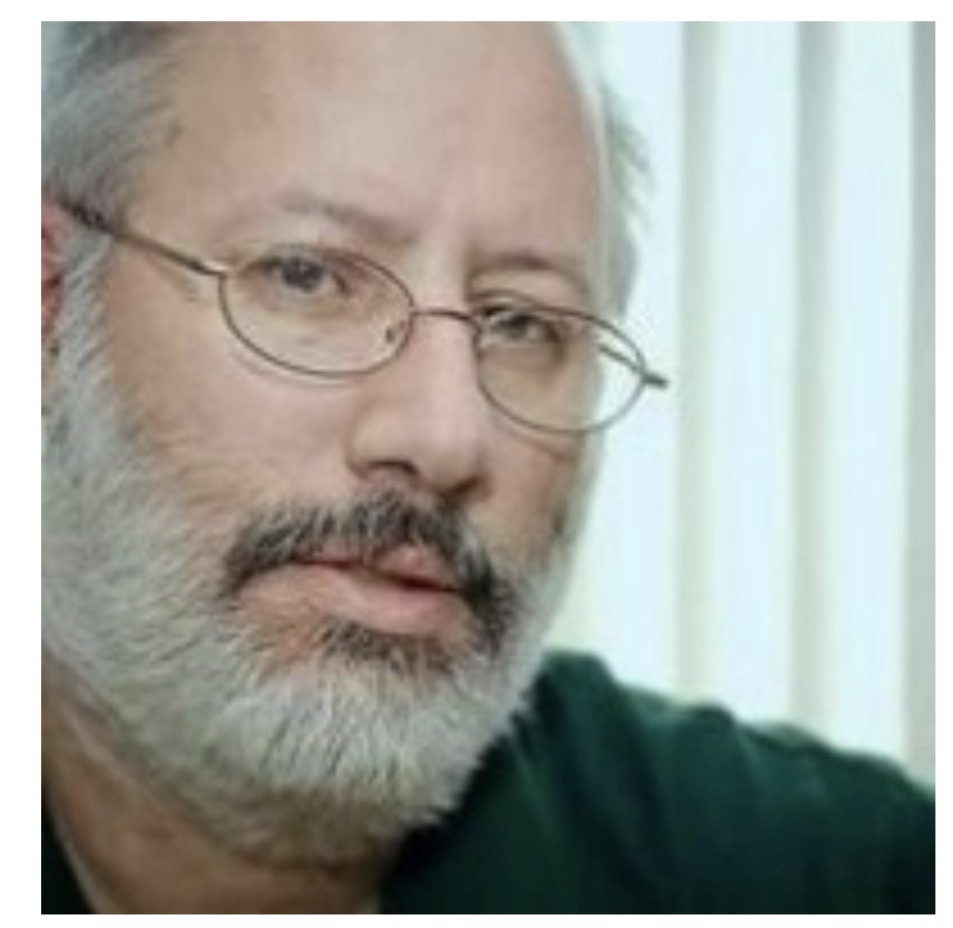
Daniel Earl Wickett, 1966-2025
I suggest further reading about Dan and what he’s done for the writing community in this article found at  Ann Arbor Chronicle


